

At Orbit Eye Hospital, we provide complete and compassionate eye care—combining expert consultation,
advanced diagnostics, and modern surgical facilities under one roof.
Main Services Overview
Catararact specialist
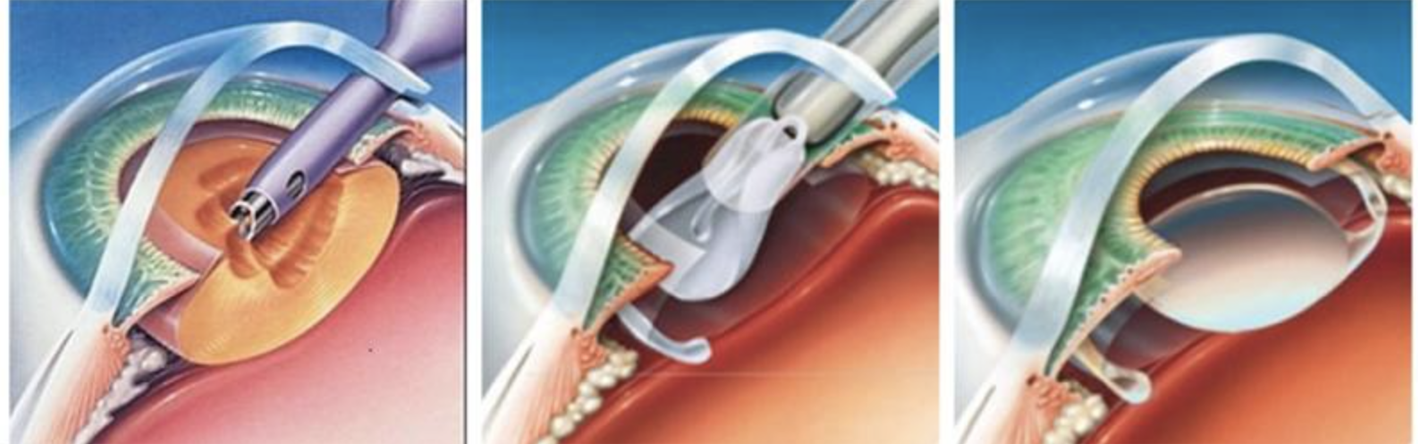
- Cataract Assessment – Stage/type of cataract, visual impact, associated ocular conditions, surgical complexity.
- IOL Master/Biometry – Eye measurements, lens power calculation, refractive target, and accuracy importance.
- IOL Discussion – Monofocal vs premium IOLs, toric for astigmatism, visual expectations.
- Procedure Explanation – Surgery type, anesthesia, steps, duration, safety, discharge plan.
- Recovery & Post-Op Care – Healing period, vision recovery, medications, precautions, follow-ups, warning signs
Cornea specialist
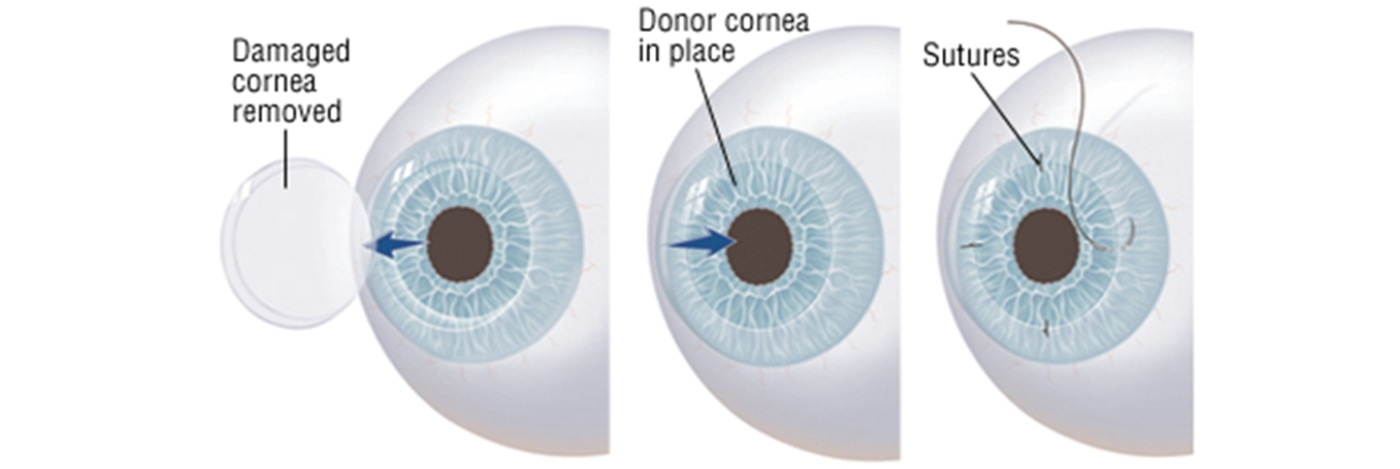
- Corneal conditions: Corneal infections, keratoconus, corneal scars, dystrophies, degenerations, and surface disorders.
- Examination: Detailed slit-lamp examination of the cornea.
- Investigations: Corneal topography, pachymetry, anterior segment OCT, and corneal scrapings when required.
- Diagnosis: Identification of the cause and severity of corneal disease.
- Treatment: Medical therapy, corneal cross-linking, therapeutic procedures, and corneal transplant surgery.
Retinal specialist
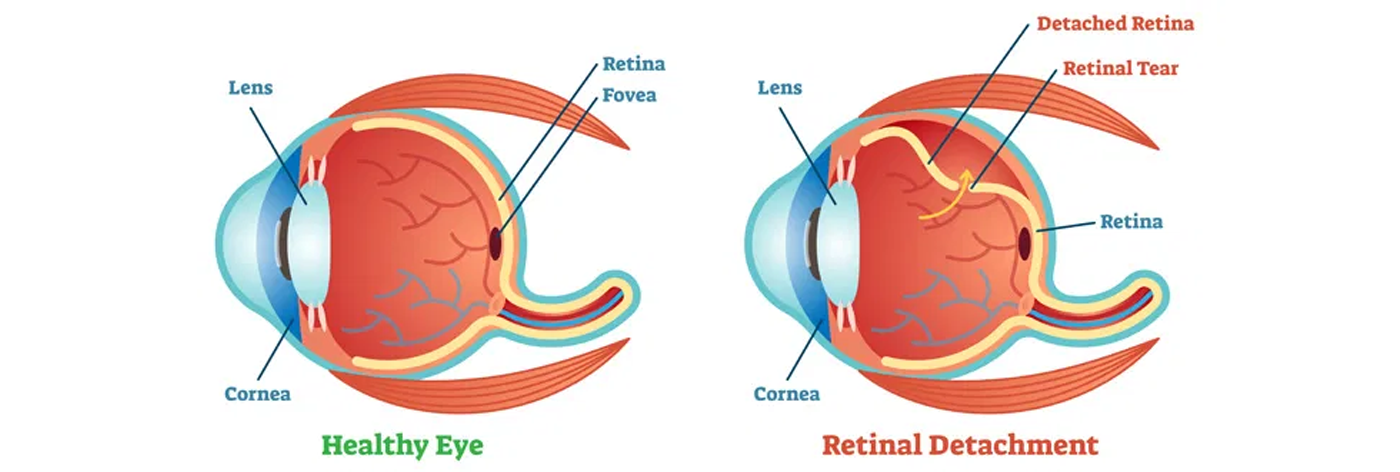
- Retinal disorders: Diabetic retinopathy, retinal detachment, macular degeneration, macular hole, epiretinal membrane, and retinal vascular disorders.
- Examination: Detailed dilated fundus examination of the retina.
- Investigations: OCT, fundus photography, and B-scan ultrasonography when required.
- Diagnosis: Identification of retinal pathology, staging of disease, and assessment of macular involvement.
- Treatment: Medical management, intravitreal injections, laser procedures, and vitreoretinal surgery
Glaucoma specialist
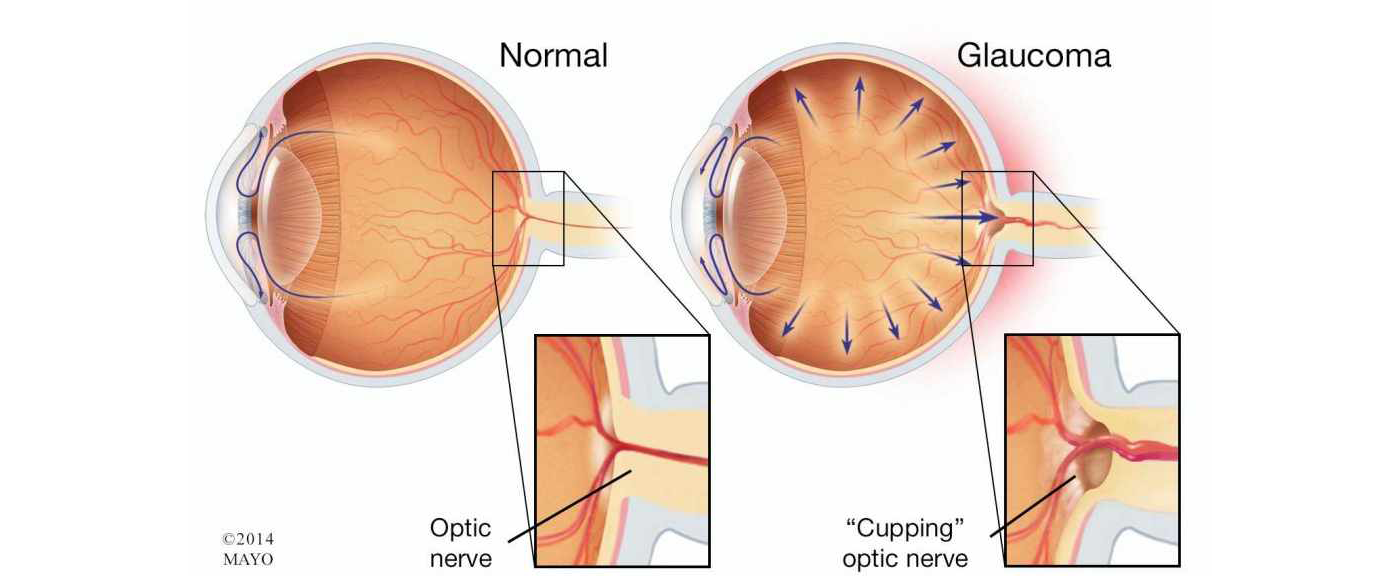
- Glaucoma disorders: Primary open-angle glaucoma, angle-closure glaucoma, secondary glaucoma, and congenital glaucoma.
- Examination: Detailed evaluation of intraocular pressure, optic nerve head, and anterior chamber angle.
- Investigations: Visual field testing, OCT of optic nerve and nerve fiber layer, and gonioscopy.
- Diagnosis: Identification of type and stage of glaucoma with assessment of optic nerve damage.
- Treatment: Medical therapy, laser procedures, and glaucoma surgery for pressure control.
Squint specialist
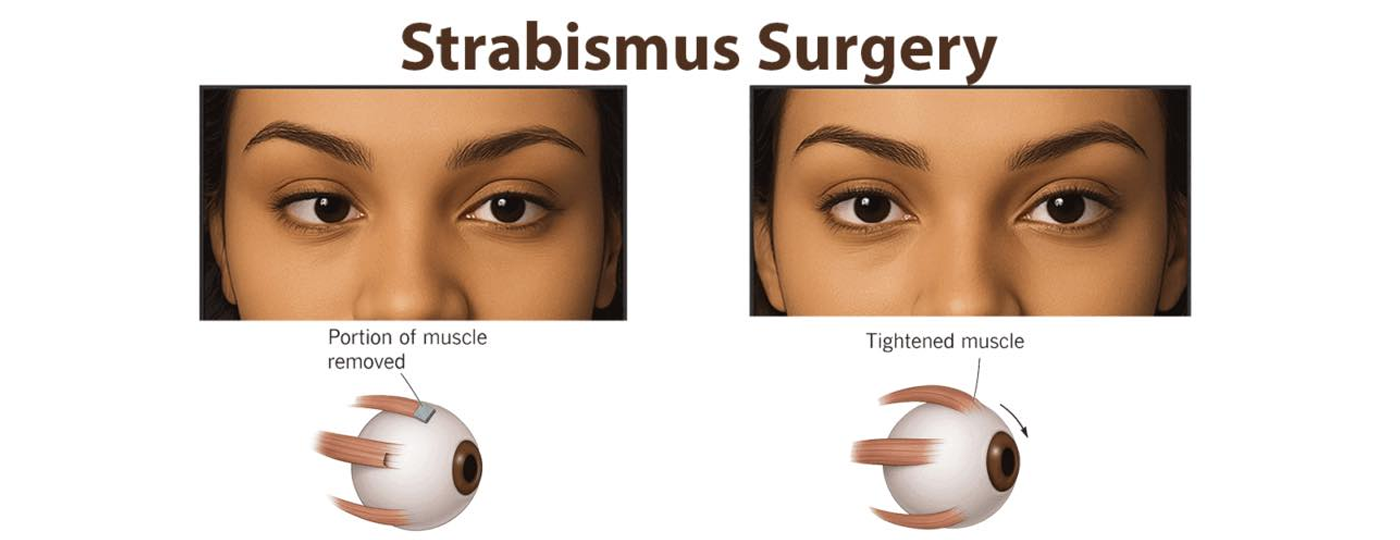
- Squint disorders: Esotropia, exotropia, hypertropia, paralytic and restrictive squint, and pediatric strabismus.
- Examination: Detailed ocular alignment assessment, extraocular muscle evaluation, and binocular vision testing.
- Investigations: Cover–uncover test, prism measurements, and sensory evaluation when required.
- Diagnosis: Identification of type, cause, and severity of squint with assessment of binocular function.
- Treatment: Optical correction, orthoptic exercises, prism therapy, and squint surgery.
Oculoplasty specialist
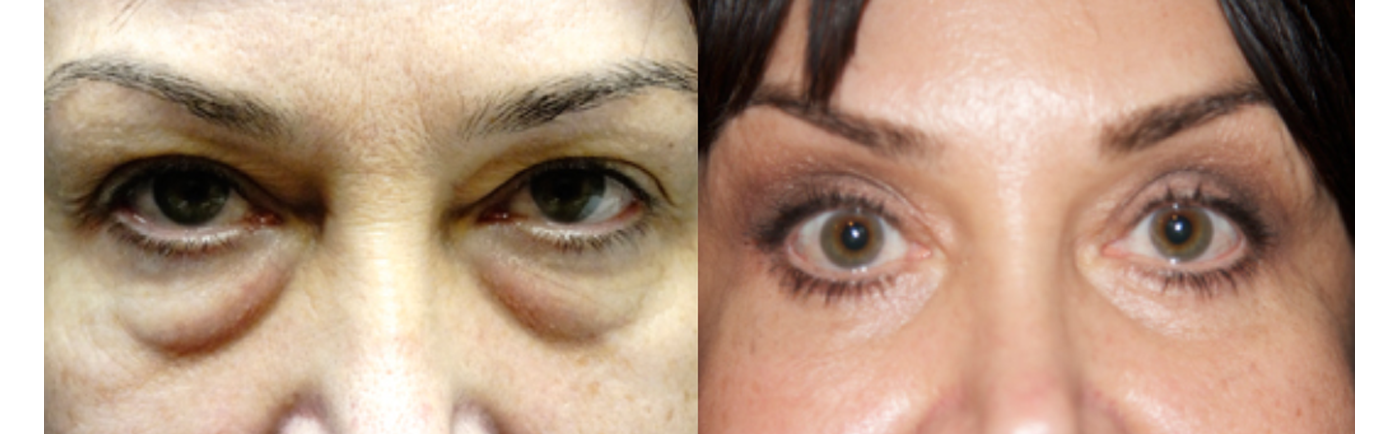
- Oculoplastic disorders: Eyelid malpositions, ptosis, lacrimal drainage disorders, orbital diseases, and periocular tumors.
- Examination: Detailed evaluation of eyelids, lacrimal system, and orbital structures.
- Investigations: Lacrimal syringing, imaging (USG/CT/MRI) when required, and clinical measurements.
- Diagnosis: Identification of anatomical abnormality and functional impairment.
- Treatment: Medical management and oculoplastic surgeries including ptosis correction, upper and lower eyelid blepharoplasty, entropion/ectropion correction, and DCR
Refractive specialist
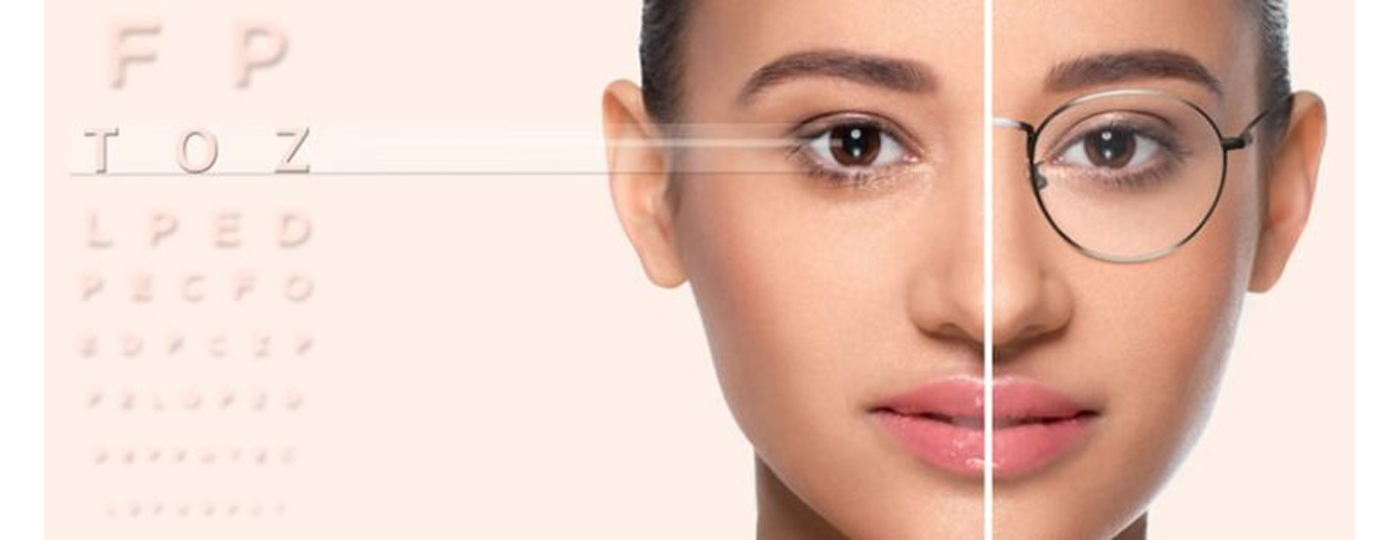
- Refractive Surgery: Myopia, hyperopia, astigmatism, and presbyopia — managed with LASIK, Femto LASIK, PRK, SMILE, and lens-based refractive procedures.
- Examination: Detailed refraction, corneal assessment, ocular surface evaluation, and retinal screening.
- Investigations: Corneal topography, Pentacam, pachymetry, and tear film assessment.
- Diagnosis: Determination of refractive error type and stability with suitability assessment for refractive surgery.
- Treatment: Customized laser vision correction (Femto LASIK / PRK / SMILE), phakic IOLs, or refractive lens exchange.
Difference between
the PRK, LASIK & SMILE
the PRK, LASIK & SMILE
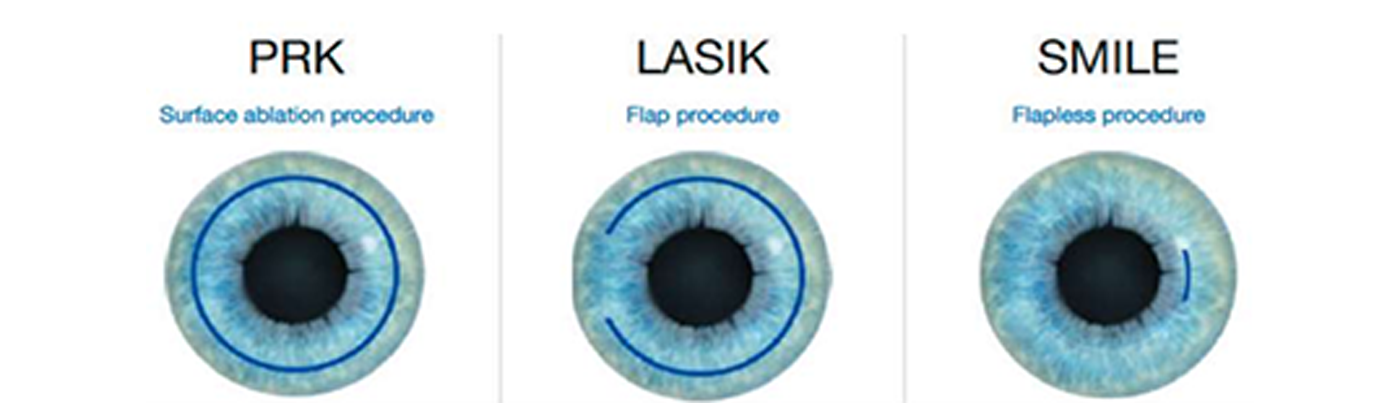
SMILE
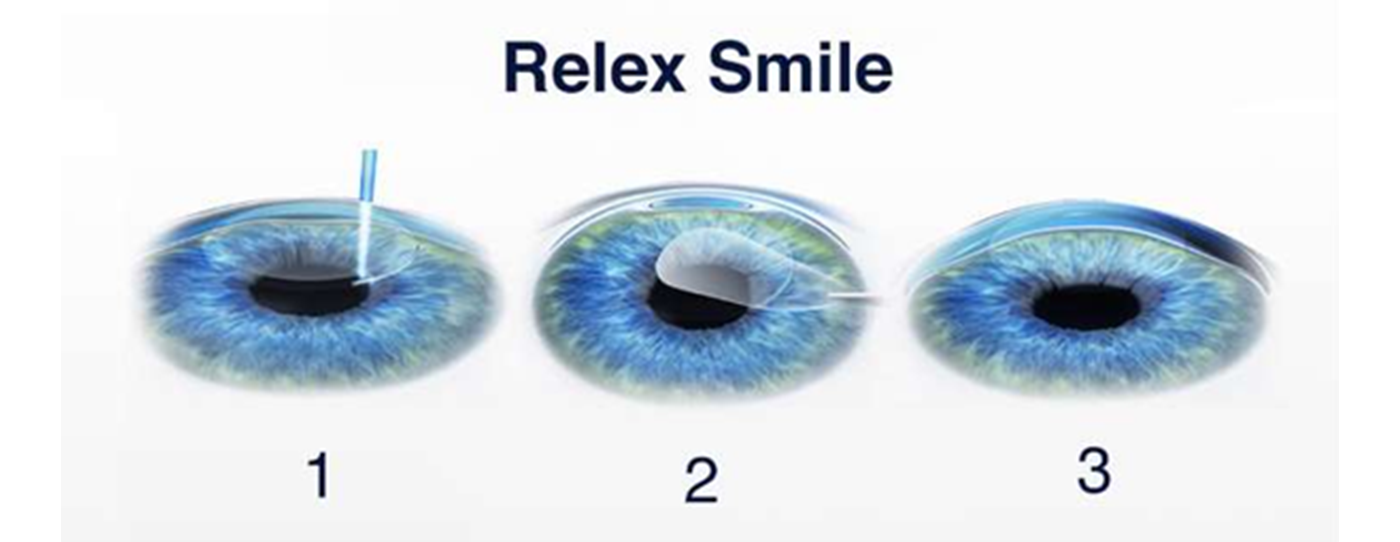
- What it treats: Corrects myopia (minus power) and myopic astigmatism with advanced femtosecond laser technology.
- Procedure: Flap-less, blade-free surgery performed through a tiny 2–4 mm incision, preserving better corneal strength.
- Benefits: Less dryness, minimal discomfort, quick procedure (10–15 minutes), and fast visual recovery.
- Eligibility: Age 18+, stable power, adequate corneal thickness (Pentacam evaluation), and healthy eyes.
- Outcome: High safety profile with excellent visual results — helping you achieve freedom from glasses and contact lenses.
Femto LASIK
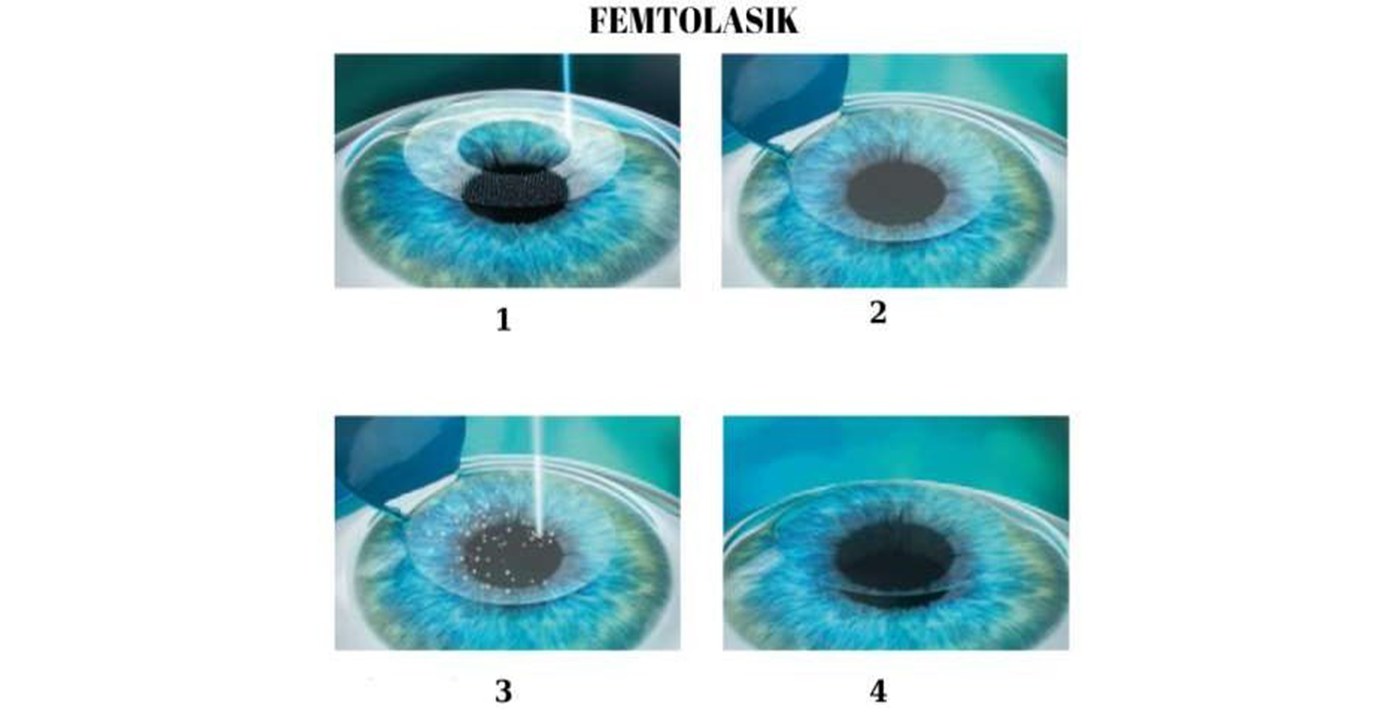
- Blade-free procedure – Uses a femtosecond laser instead of a blade.
- More precise flap creation – Better control over thickness and shape. Better than blade LASIK
- Lower risk of flap complications – Safer and more predictable.
- Better for thin corneas – Suitable for many patients.
get in touch
- Address : 1st floor, W, Aftab Classic, SV Rd, opp.
City Hospital, Jogeshwari
West, Mumbai, Maharashtra 400102 - Phone: 98201 66630 / 8797030303 / 8797040404
- Email: contact@orbitshealth.com